
You'll definitely feel better – solo drinking and
event participation are both fun!
A shop that supports someone's tomorrow
"Snack Donmai!"
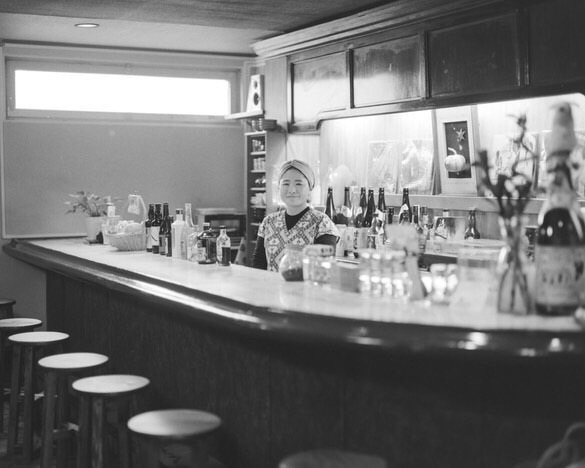
From Meirin Elementary School to Tamachi Shopping Street. Walking past the event facility JOY201, you'll find the South Building.
Go up the stairs to the second floor, and you'll see a sign for "Stand Bar Yuri" in the back.
Just below, an orange flag is fluttering.
Heading toward the flag, you can see a menu board with a "calico cat" perched on it.
If you continue further, you'll see the noren curtain of "Don't Mind!" hanging, so feel free to step right in.
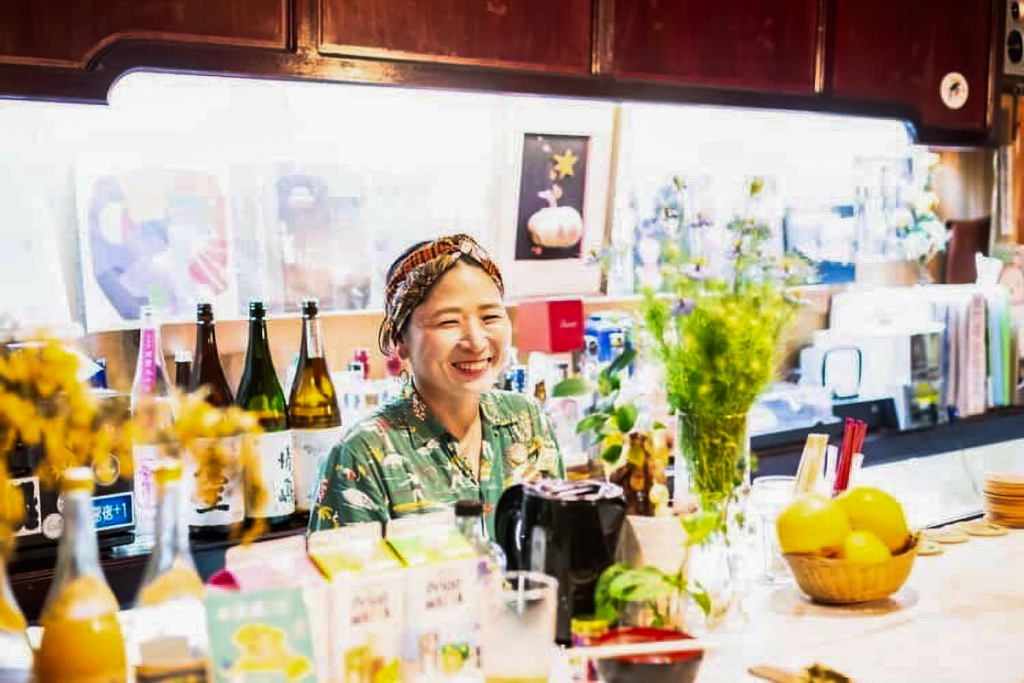
The proprietress, Naruri, who is called "Non-chan" by the regulars, greeted us with a crisp yet warm tone, "Welcome!"
11 Years of Reconstruction Support. A Major Decision. Leaving Hometown Hagi

You went to Iwate Prefecture, didn't you?
Why did you live in Iwate Prefecture?
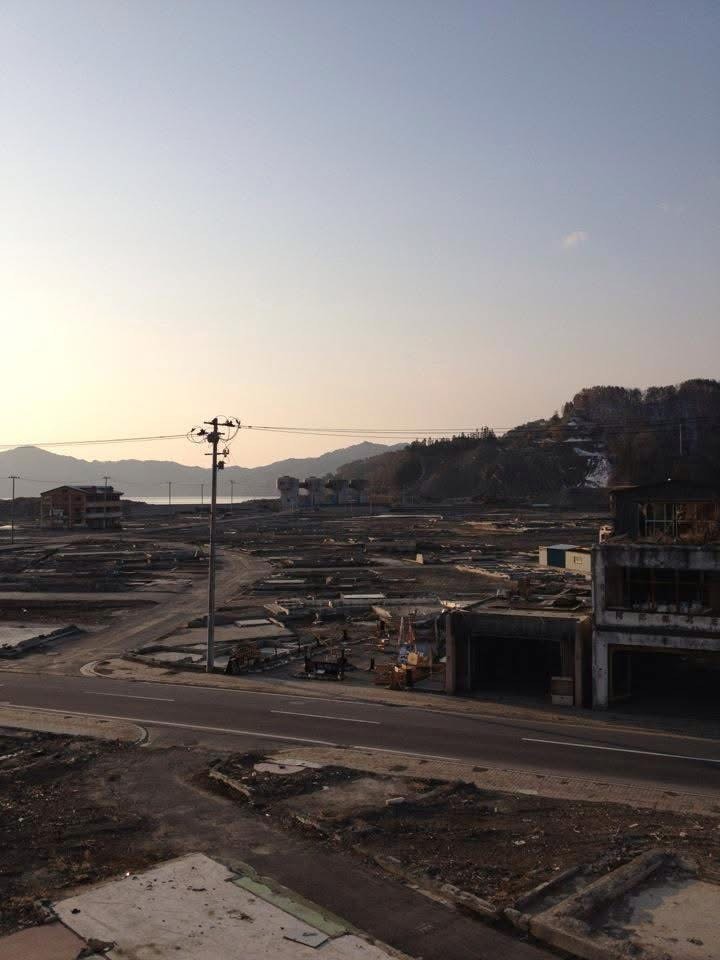
I first went to Iwate Prefecture in January 2012.
It was a reconstruction support volunteer position advertised by a Catholic organization.
The whole trip was 3 days – 2 days for travel and 1 day for work. But on the day of the work, the weather was bad and it was cancelled.
"I came all this way, and I'm going back without doing anything," I thought, and it left me feeling unsettled.
Hagi is quite far from Iwate, isn't it?
That's right.
In the end, I only stayed one night in Iwate, but on the way back, the priest drove me to the nearest station and handed me a tea envelope with several tens of thousands of yen in it, saying "Come again with this."
I just had the intuition that I needed to go there, so I decided to move to Iwate starting in March, two months later.
It was a life-changing encounter, wasn't it?
Didn't you have any anxiety about leaving your hometown and continuing your activities for over 10 years?
I just wanted to go as soon as possible.
I was working at the time, but I quit, and I didn't think too much about the future.
I didn't even know how long I would stay in Iwate, and I thought it would be 2 or 3 years.
In reality, the reconstruction didn't progress quickly, and as I lived there, I made more friends and acquaintances, which made it harder to leave.
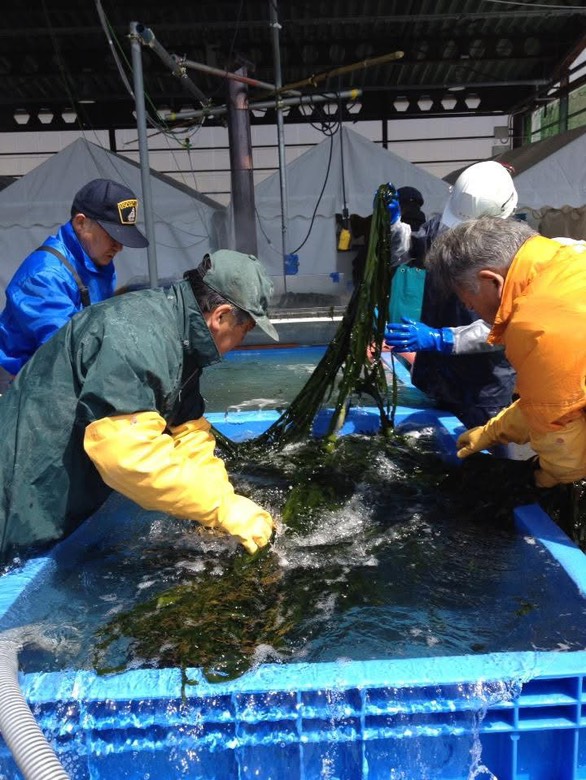
What was your original job?
I worked at a cafe called Gentique in Hagi.
After that, I was helping my aunt with a teppanyaki shop in Hikari City.
What was the trigger for returning to Hagi after spending so long in Iwate?
I was always concerned about Hagi. My parents are there, too.
But even though the city's reconstruction was progressing, the connections between people hadn't been restored yet, so there was always this unsettled feeling that I hadn't achieved my goal.
Because of that, I couldn't find the right timing to return to Hagi.
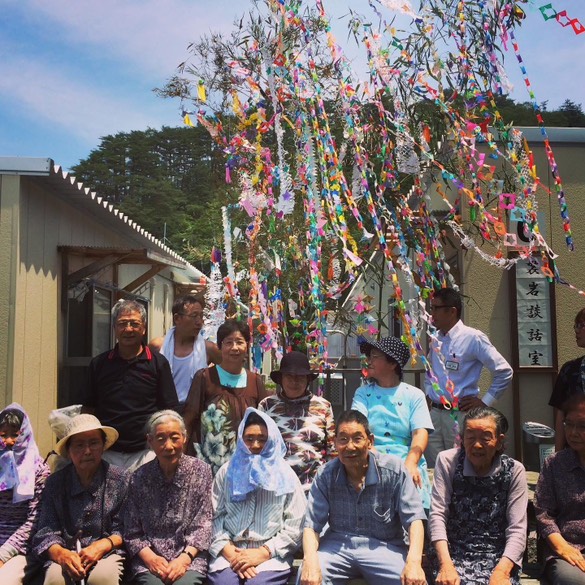
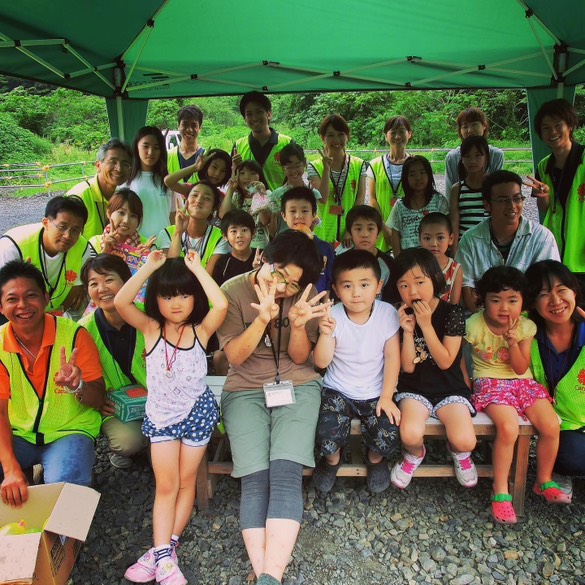
Physical reconstruction of a city alone doesn't mean it has been reconstructed, does it?
After all, true reconstruction comes with the connections between people.
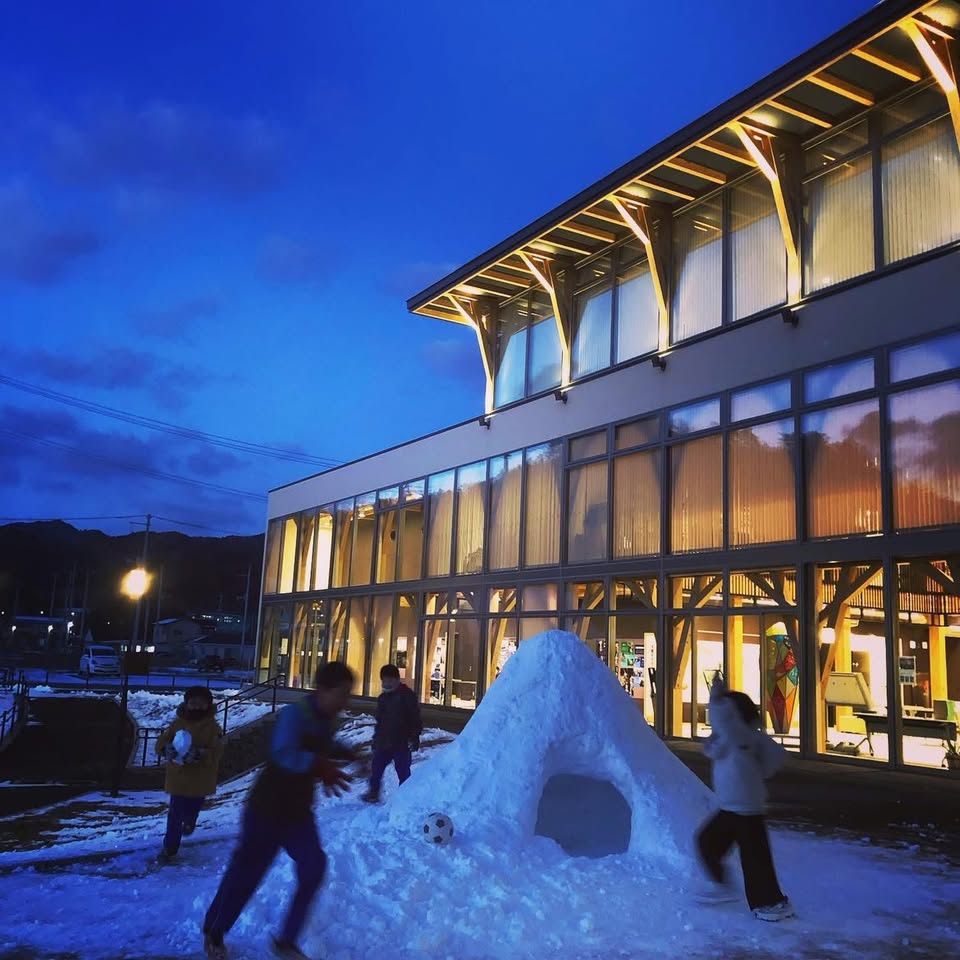
About eight years after I went to support reconstruction efforts, as one aspect of that kind of reconstruction, a cultural exchange center was built in the center of that town – with a library that symbolized reconstruction and a free space where various people could gather.
And they entrusted me with the management and operation of it.
From the initial state when I first went to Iwate – "Will people actually return to this place?" – I watched as people from children to elderly moved through the public facility every day, and I felt like daily life had finally returned.
I got to see the scenery I wanted to see, and I thought I had done enough and my role was over.
That was the catalyst for returning to Hagi.
Otsuchi Town Cultural Exchange Center in Iwate Prefecture
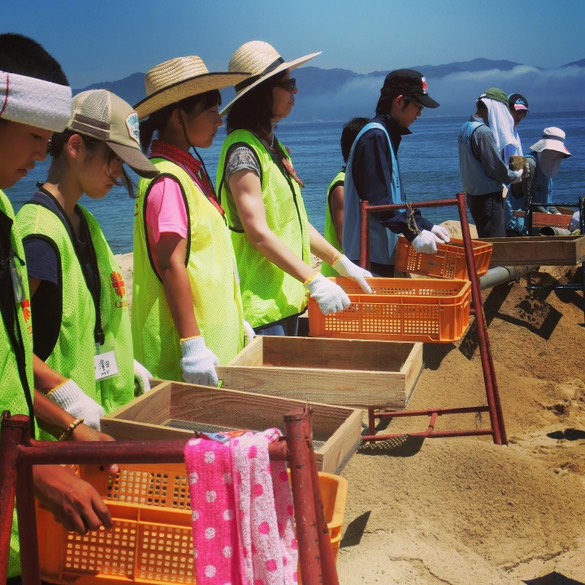
Returning to Hagi and creating a peaceful gathering place
You returned to Hagi and opened "Don't Mind!" right away, but why did you decide to start a Local Bar?
Local Bar had a strong image of being a place where moms serve men, a somewhat adult place, but when I was in Iwate, I thought "Local Bar is nice."
People were working hard to reconstruct from nothing, rebuilding their shops too.
But since it was still in reconstruction, there weren't many places to go.
So everyone gathered at Local Bar.
Reconstruction progressed and daily life returned.
So Local Bar became a gathering place.
That's right. The town came back.
Young people, elderly people, important people – everyone could go there and talk equally. I thought "Local Bar is such a happy, peaceful place."
You're right, Local Bar is a place where people gather and can talk without prejudice.
Yes. So I came up with a dream of creating a place like that someday.
But since I had been working with people for a long time, I thought I might want to step away from people and do something like agriculture, so I was looking for work.
At that time, a friend who had always cared about me said "My dream is to run a Local Bar," and they said "You should definitely do it!"
That friend pushed me really hard – they connected me with the person managing the rental shop, introduced me to a bank person, and things just rushed forward with opening a Local Bar. *laughs*
You just got swept along and moved forward! *laughs*
I went with the flow, prepared in 5 months, and opened in October.
That's really rushed!
I had no money, knew nothing, had no experience, but just had the passion! *laughs*
You didn't have much experience working with alcohol, did you?
I liked drinking, but I had no knowledge or experience. *laughs*
You drink quite a bit, don't you?
I did drink.
I was really trained by Iwate.
Even at random times, we would all drink sake together.
The Tohoku region has a lot of festivals, so you drink then too.
While helping with reconstruction, what was the most joyful thing you experienced?
I had opportunities to make friends and acquaintances.
I was working all the time, but in September there was a big autumn festival.
It's a small town, but there's a pretty large-scale local performing art.
There's something called "hand dancing," and I heard I could participate in it.
It's a festival where outsiders can participate, isn't it?
There was a practice gathering a week before the festival, and I met people from the community for the first time.
I went with a casual feeling, thinking "I can easily participate."
But the group that participated had lost dancers in the earthquake, and their costumes were gone too, so they couldn't participate in the festival since the disaster.
This year (2012) was finally the year they could return to the festival themselves, and the energy was incredible. It was kind of intense...
"Oh no, this isn't a place for someone like me..." I thought.
The atmosphere was out of place, wasn't it?
What ended up happening?
Everyone was desperate, you know.
It was only a week before, and they were doing pretty difficult dances.
My intention was just to dance a little bit, so I said,
"I'll skip dancing. If there's anything I can help with, I will."
When I said that to the leader, I really got scolded.
"If you came wanting to dance, see it through to the end!" they said.
So from morning to late night, I practiced the dance while watching videos.
You decided to participate and practiced, didn't you?
The night before the festival, there was a judgment about whether I would be allowed to dance on the day of the festival. If I could dance, I would get a "happi" coat, but at that time,
"You're clumsy and stand out, but there had never been anyone from outside who came before.
If the earthquake hadn't happened, we wouldn't have had outsiders come and participate in our festival like this. I was really happy about how hard you tried, so please wear a happi coat with us."
They said that to me.
After that, people from the festival group would call me almost every third day, wanting to drink sake together. They really started reaching out to me.
That's when I finally felt like I had become part of the community, and it made me so happy.
It became rooted in the community – people connected and it felt right.
On the flip side, what was the most difficult thing?
I gained about 20 kilos from stress. *laughs*
*laughs*
What else can you do?
If you go inland, you can find something or other.
It was like the line between my private life and work blurred.
My job was to take care of other volunteers – their meals, their sleeping arrangements.
I mean, from early morning to late night.
There were heavy machines running around town, the air wasn't very good, and you couldn't rest your mind.
There were all kinds of volunteers too.
I pushed myself hard seeking efficiency.
That was difficult during the support period.
There was quite a bit of mental stress, wasn't there?
Bright and positive. Don't Mind!
Finally, could you tell us about the origin of the shop name "Don't Mind!"?
It was a word that came to me somehow when I was in Iwate, and I thought I wanted to use it when I did something in the future.
It's my motto too, and although "Don't Mind!" doesn't always suffice...
I named it with the image that it would be nice for it to become a bright, positive word that people use.

Hagi Nonta's Review
It's a popular shop where people constantly come and go.
You can get power and energy from Non-chan, who is aggressive and full of charm.
If you want to meet various people in Hagi or enjoy conversation, you should definitely stop by.
Weekdays might be better if you want to drink quietly.
Topics
-
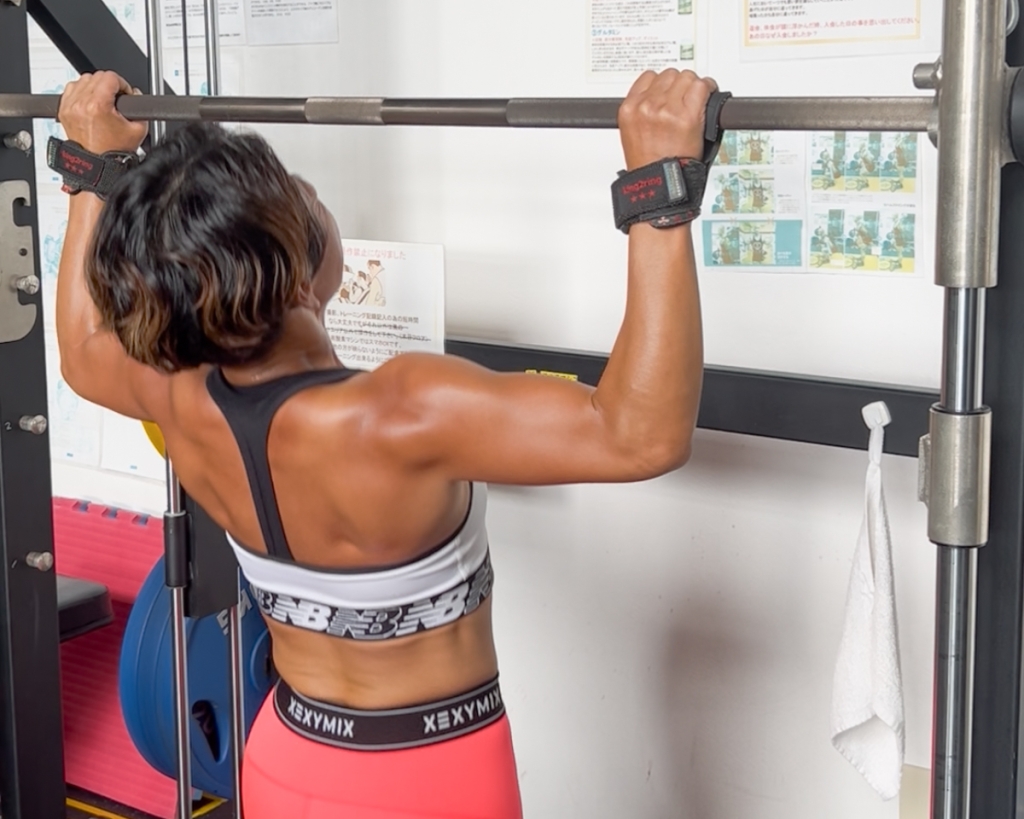
Muscle!
She was 20 kilos heavier in Iwate, but for bodybuilding competitions, she got completely ripped.
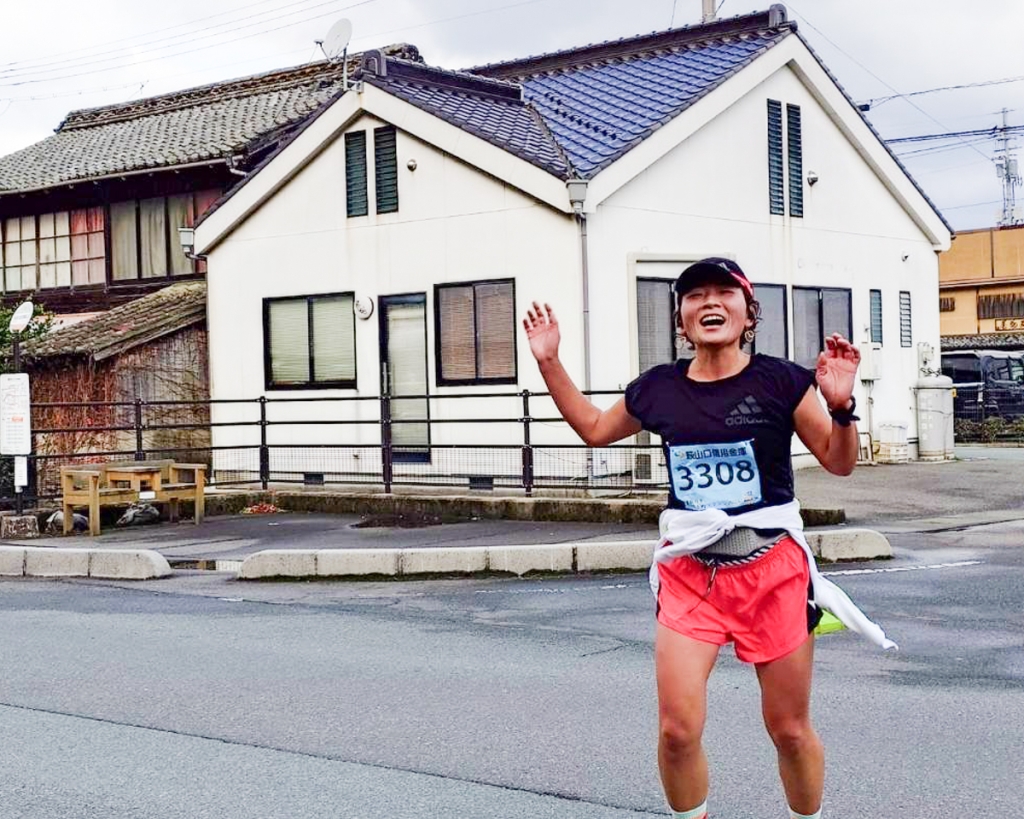
She also participates in marathon competitions.
-
The future in Hagi
She actively participates in events throughout Hagi and carries portable shrines.
She is fired up about preserving Hagi's culture.